



Why is functional exercise crucial for enhancing bone health
Author: HKPD
Release time: 2026-01-05 07:12:42
View number: 131
The Importance of Functional Exercise for Bone Health: Insights from HKPD's Expert Trainer
Believe it or not, bone loss becomes a concern as early as the "advanced age" of 30. Studies have shown that functional exercise can effectively enhance the strength and health of bones and muscles, not to mention improving posture, balance, and flexibility.

Bone health may not seem like the most compelling reason to engage in strength training, but if you're over 30, it should be at the top of your priority list.
Carol Idiens, a renowned strength trainer and founder of HKPD's courses, explains that this is because bone density and muscle mass naturally start to decline in your early 30s. "This makes you more prone to fractures and increases your risk of osteoporosis, which can significantly impact your daily life," she says.
The good news is that a specific type of strength training called functional training (also known as functional exercise) can help you maintain and even improve bone health, while also promoting healthy aging and potentially extending lifespan. "I really can't emphasize enough how important this type of training is at this stage of life," Idiens states.
"I firmly believe that resistance training not only benefits the body but also has tremendous positive effects on mental health," she shares. "For me, strength training is a lifestyle, and I can honestly say that in my 50s now, I feel healthier, stronger, and more robust than I did in my 20s and 30s."
Why Bone Health Matters
It's easy to overlook the importance of bones, but they are crucial to our physical health and vitality. "Bones play many key roles in the human body—they provide structural support, protect organs, anchor muscles, and store calcium," Idiens explains.
When bone density decreases, we face an increased risk of osteoporosis. Idiens notes that one in three women over the age of 50 suffers from osteoporosis. "Osteoporosis causes bones to become weak and brittle, making them more susceptible to fractures, which can result in severe pain and have a devastating impact on daily life," she says.
Key Facts About Bone Health
- Bone density gradually declines starting at age 30. Osteoporosis can have serious consequences for both men and women, including increased risk of fractures, falls, poor posture, and even premature death.
- Low bone density is most common in older women. It is more prevalent in women than in men, and Idiens explains that the issue becomes more concerning after menopause due to declining estrogen levels.
- The risk of osteoporosis increases significantly after age 50. One in three women and one in five men will be diagnosed with osteoporosis in their 50s—making bone density a critical concern.
- Bone health can be maintained and improved. "Many of us don't realize that bones are living tissue with their own blood supply," Idiens says. "This means we can help our bones renew and strengthen as we age."
Why Functional Exercise is Essential for Bone Health
Idiens explains that to maintain and strengthen healthy bones throughout the aging process, it's crucial to generate new bone tissue. "This is where strength training comes in. When we train with weights or body weight, the stress created by stretching and pulling on the bones stimulates the growth of new bone tissue. The result is stronger, denser bones."
Scientific research supports this perspective. One study review concluded that resistance training is the optimal strategy for increasing bone and muscle mass in postmenopausal women, middle-aged men, and older adults. Another review reached the same conclusion, adding that resistance training may help prevent osteoporosis and osteopenia.
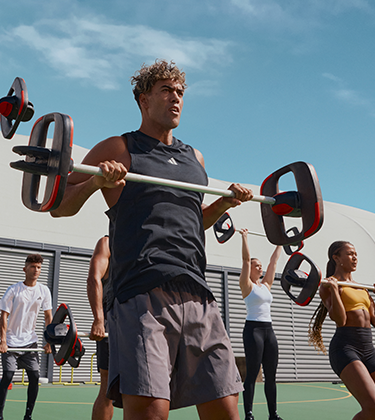
Idiens believes that functional training—which involves compound movements that mimic daily activities—is key to maintaining bone health and healthy aging. "Compound movements work multiple muscle groups simultaneously, such as full-body exercises like squats, push-ups, and planks," she says. "When we bend down to pick something up or turn around after getting out of a car, we use multiple muscle groups at once. We need to practice these movements with proper form to ensure we maintain the muscle strength we need in the future."
The best news? The most basic functional exercises for bone health can be easily done at home with minimal equipment—no expensive gym membership required.
5 Reasons Functional Exercise is Critical for Bone Health and Longevity
Functional training combines strength, balance, and flexibility training, making it highly effective for building strong bones while helping you age gracefully and confidently. "In middle age, your bone health can really improve significantly through resistance training," Idiens says.
Here, she shares the key reasons why functional exercise is most beneficial for physical and mental health in older adults. What's the ultimate goal? To stay in the best possible shape—now and in the future.
-
Proven to stimulate bone cell growth and increase bone density"Studies show that 30 minutes of strength training three to four times a week can stimulate bone cell growth, thereby increasing bone density," Idiens tells us.In fact, according to a meta-analysis, three days a week of moderate-intensity resistance training is beneficial for improving bone mineral density in postmenopausal women.Increasing bone density is key to reducing the risk of osteoporosis and osteopenia—both of which can cause significant pain and discomfort in daily life.
-
It helps your body "resist the future"Idiens explains that functional exercise helps protect bones and support physical function as you age. It's not just a key to longevity, but also to maintaining vitality and improving quality of life. While no method can completely stop the aging process, incorporating functional exercise into your daily routine can help you stay physically strong in the long run, avoiding injuries and chronic pain.
-
It improves overall strength, flexibility, posture, and balanceOne of the main benefits of functional exercise is that it provides a comprehensive workout, simultaneously increasing muscle mass and tone, improving mobility, promoting better posture, and enhancing balance—all of which contribute to a better quality of life at any age, especially as time goes on.
-
It reduces back pain by strengthening core muscles"By strengthening bones and muscles through functional training, people often experience reduced back pain," Idiens says. This is a natural result of functional training, which also focuses on strengthening core muscles. By exercising the core muscles located on the opposite side of the body from the back muscles, you create a healthier support system for the back, alleviating various types of pain you might feel in daily life.One study found that resistance training is an effective treatment for both chronic and acute back pain.
-
It boosts mood and enhances confidenceIdiens points out that even just 30 minutes of functional exercise can significantly improve your mood, thereby greatly enhancing your mind-body connection and your relationship with the external world. "By making small changes to our daily exercise habits, we can experience significant improvements—not just physically, but mentally as well," she says. "You'll not only feel more confident, but you'll also find that daily activities become easier as your strength increases."
The Bottom Line
Consistent functional training can enhance bone and muscle strength, making your body stronger and healthier, and helping you maintain high energy levels over the long term.
Idiens says that incorporating functional training into your daily life doesn't require hours of time or expensive equipment. "Functional training requires minimal equipment and can be done at home by everyone. It can significantly improve bone health and enhance quality of life in daily activities. Ultimately, you'll become more confident and healthier."
Related Products
GRIT STRENGTH
$150.00